Needs Analysis
Completion requirements
OUTPUT 01 - EMOTIONAL INTELLIGENCE FOCUSED NEEDS ANALYSIS
Empowered by Empathy - Emotional Intelligence in the Care of Disadvantaged Children
2024-2-TR01-KA210-ADU-000264783
About the Needs Analysis
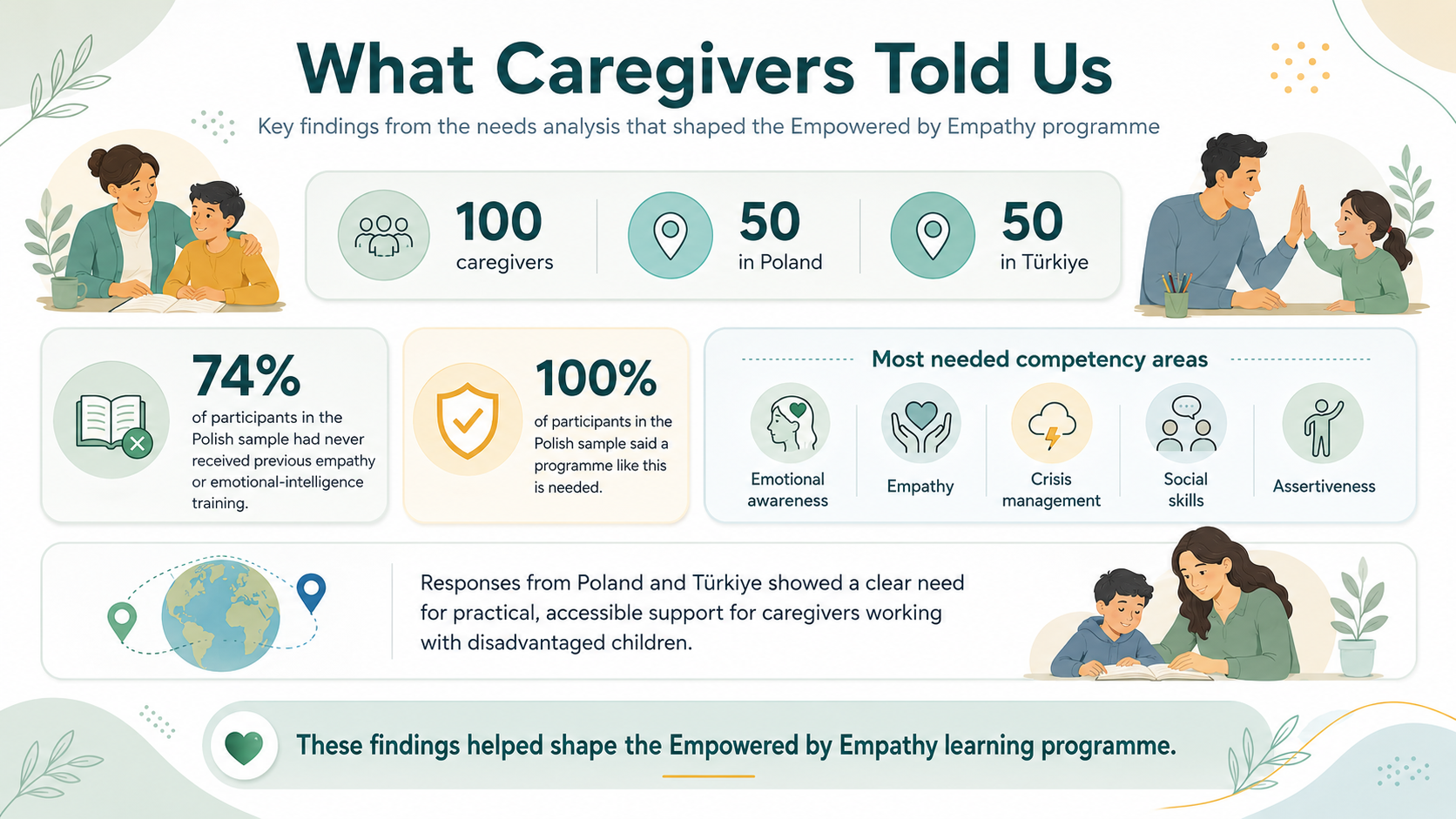
This document brings together the national needs-analysis results prepared in Poland and Türkiye under the Empowered by Empathy project. The surveys were carried out before the development of the training materials in order to identify emotional-intelligence training needs and to inform the education programme.
POLAND
Introduction
The Family Center Institute – Poland conducted surveys to identify training needs.
Surveys and interviews were conducted to understand caregivers’ specific needs regarding emotional intelligence training. The project addresses the identified need for such training and aims to support caregivers in creating nurturing and supportive environments.
Objectives of the Emotional Intelligence Focused Need Analysis Questionnaire
-
This research aims to obtain new information about emotional intelligence and care for disadvantaged children in addition to existing scientific and observational information.
-
The obtained data will be analyzed and the results of this analysis will be taken into account in the education program to be developed.
- Thus, people who provide care can improve their quality of life by identifying reliable information, addressing existing problems, accessing expert knowledge and considering practical solutions.
SURVEY ANALYSIS WAS PREPARED BY: Magdalena Ręka, Ph.D.; Franciszek Ręka, Ph.D.
The Analysis of Results
The results of the analysis are based on the Questionnaire carried out among Polish participants – caregivers and parents.
The questions had previously been translated into Polish.
This survey report aims to present the information collected through the questionnaire completely and objectively, and to identify caregivers’ specific emotional intelligence training needs.
Conducting a Survey
The survey was conducted in Poland during June, July and August 2025 at the Institute Family Center (Bytom).
The respondents of the Questionnaire were people involved in child care: parents and caregivers.
This report presents the collected results in graphical form.
This questionnaire model includes potential topics and questions that can be adapted for most communities.
The surveys and interviews conducted allowed for a better understanding of the specific needs of caregivers in terms of emotional intelligence training.
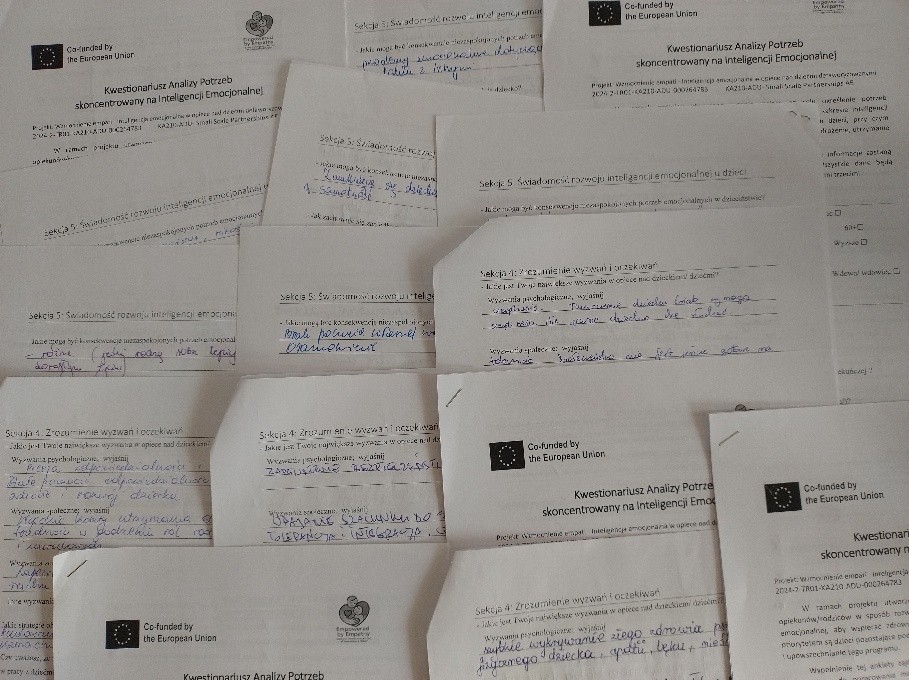
The Emotional Intelligence Focused Needs Analysis Questionnaire was translated into Polish. Its Polish title is: Kwestionariusz Analizy Potrzeb skoncentrowany na Inteligencji Emocjonalnej.
Demographic Information
Socio-Demographic Information
A socio-demographic questionnaire gathers background information about respondents to help interpret and analyse their answers in the context of their characteristics.
Table 1: The table below shows the participation in the Survey by men and women.
| Category | Number | Percent |
|---|---|---|
| Male | 18 | 36% |
| Female | 32 | 64% |
| Others | 0 | 0% |
| Total Participants | 50 | 100% |
At the Institute Family Center in Poland, both women and men participated in the survey.
The 50 participants comprised 32 women and 18 men; no participants selected “Other”.
The respondent group therefore included both women and men.
In percentage terms, the group consisted of 64% women and 36% men.
Chart 1: Information on the percentage of women and men
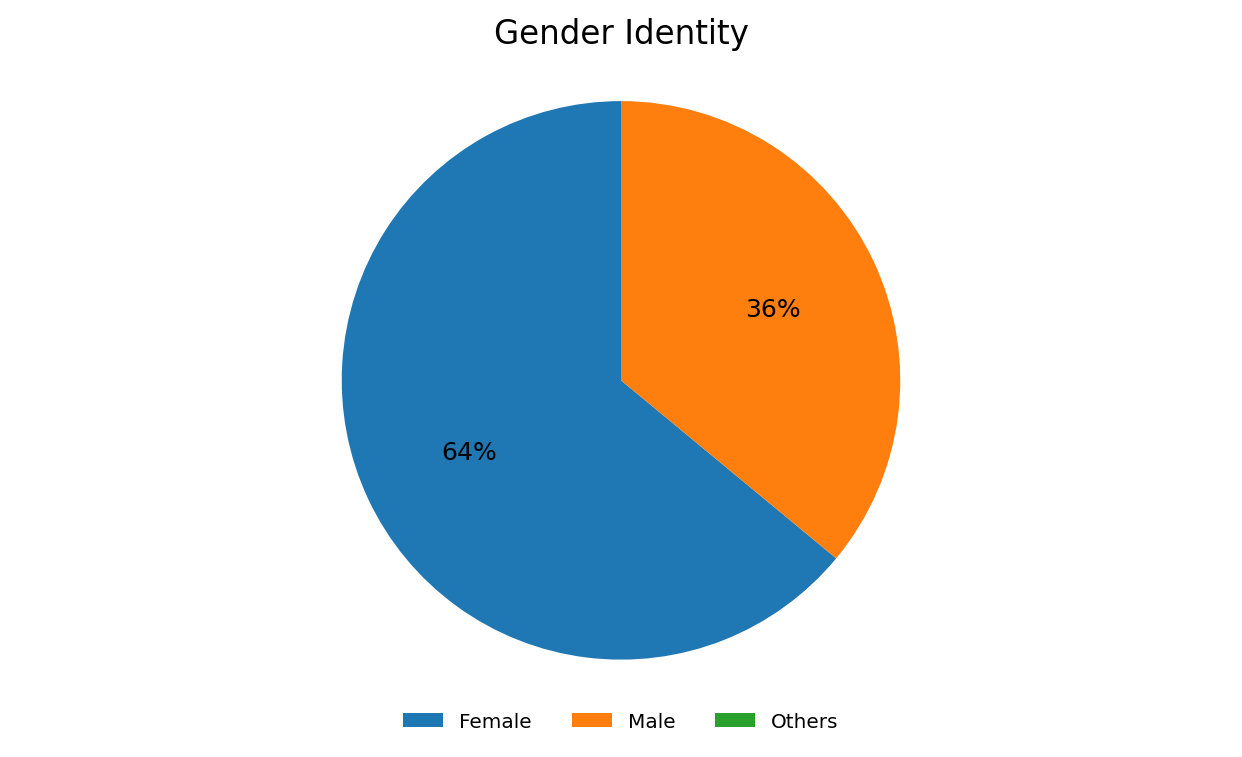
The first chart illustrates the percentage of the respondents by gender.
Table 2: Age of the respondents
| Category | Number | Percent |
|---|---|---|
| 18-25 | 5 | 10% |
| 26-35 | 11 | 22% |
| 36-45 | 15 | 30% |
| 46-60 | 12 | 24% |
| 60+ | 7 | 14% |
The age of the respondents was defined in five age groups. Every age group was represented in the Questionnaire. These categories help in understanding how different age demographics respond to survey questions.
This allowed for a broader perspective on the research results.
Chart 2: Percentage representation of participants' age groups
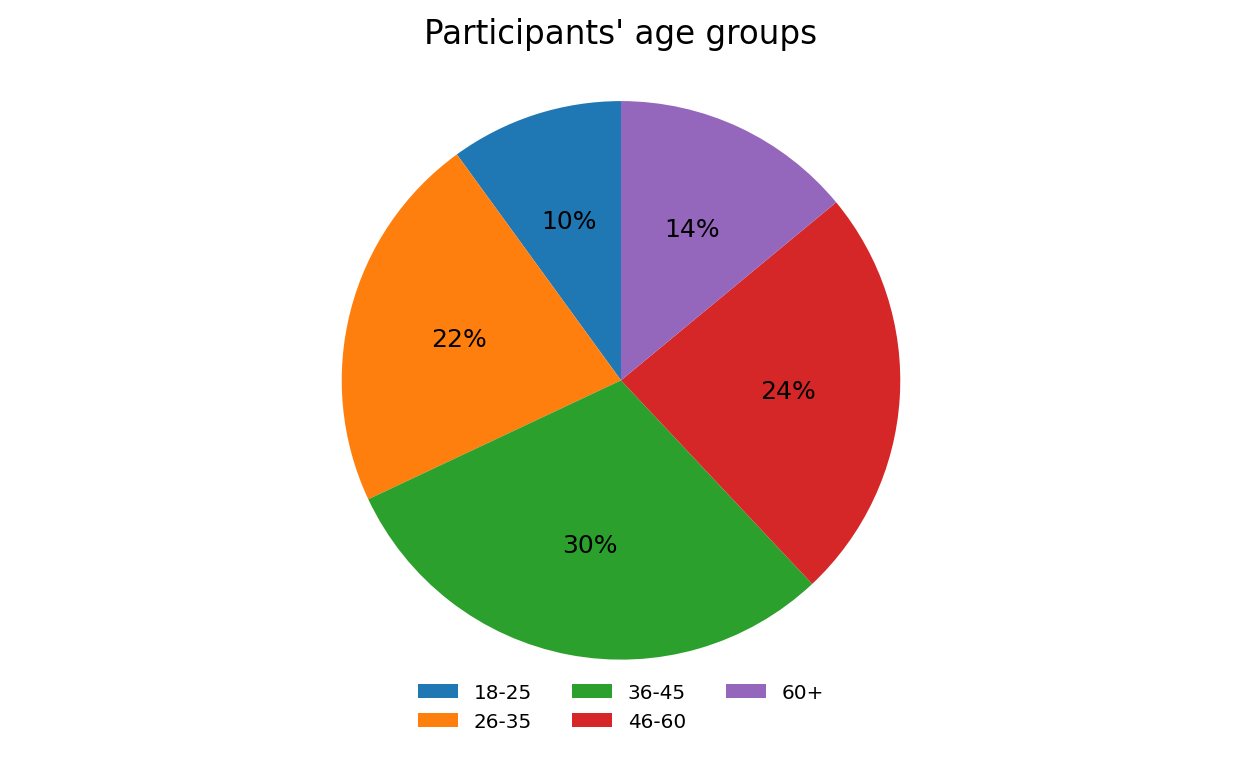
Table 3: Information on the level of education of caregivers
| Category | Number | Percent |
|---|---|---|
| Primary School | 2 | 4% |
| Middle School | 9 | 18% |
| High School | 21 | 42% |
| University Master’s Degree | 18 | 36% |
| Total Participants | 50 | 100% |
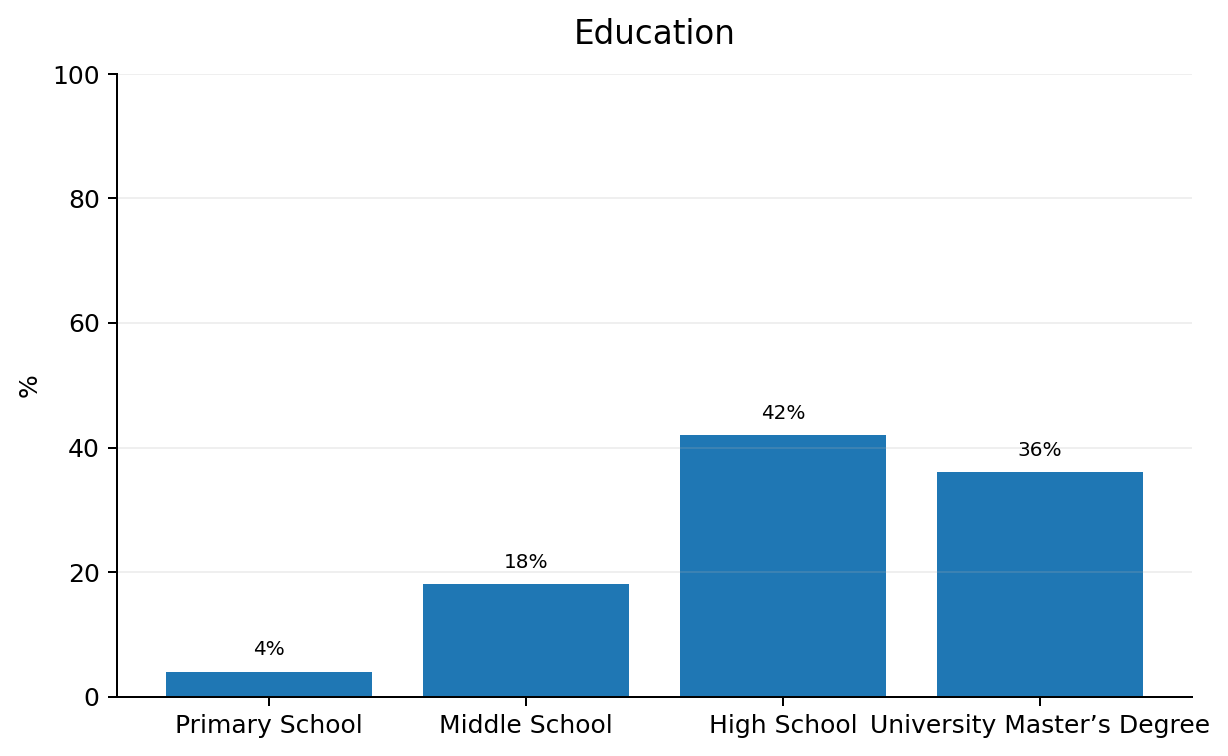
Table 3 shows that 4% of respondents had primary education, 18% had middle-school education, 42% had completed high school and 36% reported a university or Master’s-level qualification.
Chart 3: Percentage information on the level of education parents and caregivers
A child's emotional intelligence is influenced by their parents' and caregivers level of education. Parents and caregivers with higher education tend to be more aware of the importance of emotional development and may employ more effective parenting strategies that foster emotional intelligence in their children. A parent's and caregivers level of education can be associated with their children's level of empathy, though the relationship is complex and not always straightforward. While higher parental education is often linked to positive outcomes like better communication and stronger parent-child relationships, which can positively influence empathy development, some studies suggest a negative correlation between mother's education and children's empathy, particularly cognitive empathy.
Table 4: Information about income level
| Category | Number | Percent |
|---|---|---|
| Low | 9 | 18% |
| Middle | 30 | 60% |
| High | 11 | 22% |
| Total Participants | 50 | 100% |
Income levels of parents and caregivers significantly impact child development and well-being. Low-income families may face challenges related to housing, nutrition, and access to quality healthcare and education, potentially leading to increased stress and impacting parenting practices.
Conversely, higher income can enable greater investment in children's development through access to better resources and opportunities.
Chart 4: Percentage information about Income Level
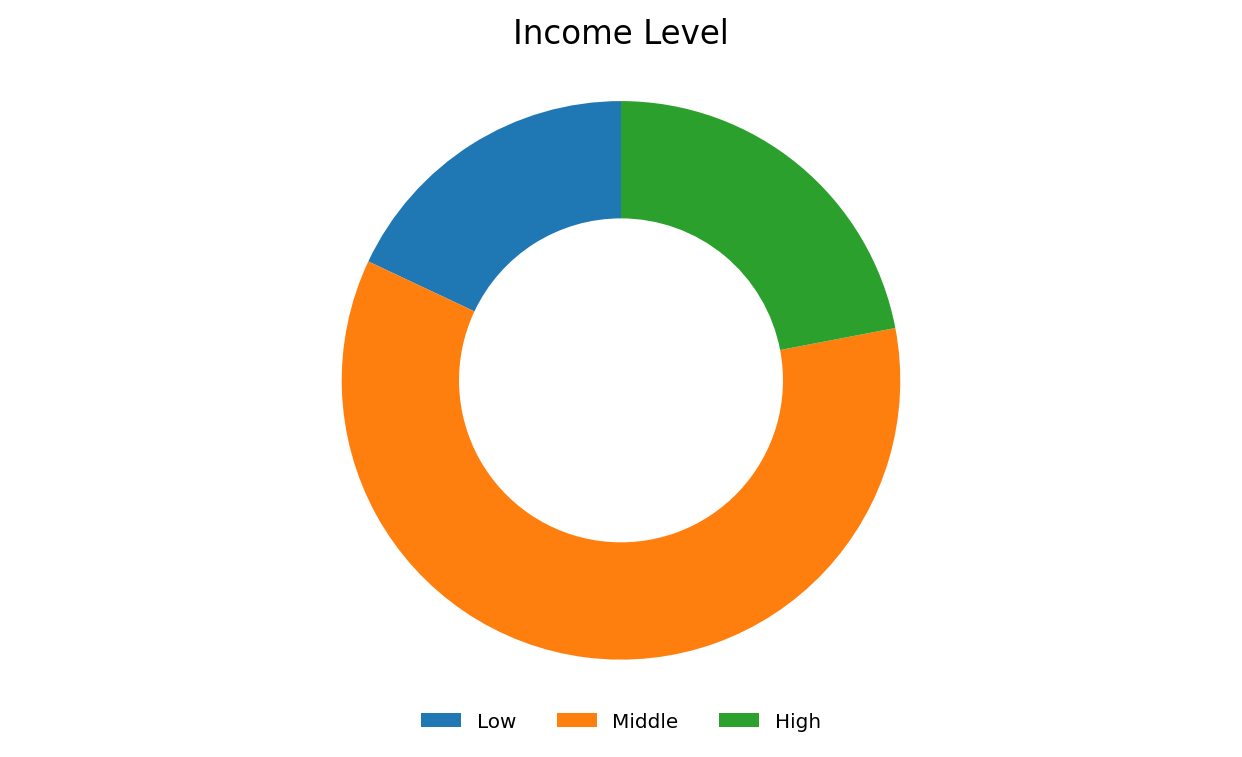
Table 5: Information about Marital Status of the Participants
| Category | Number | Percent |
|---|---|---|
| Married | 28 | 56% |
| Single | 11 | 22% |
| Divorced / living separated | 6 | 12% |
| Widowed | 5 | 10% |
Characteristics of marital status refers to a person's current legal relationship, indicating whether they are single (never married), married, divorced, or widowed.
Translating the above results into percentage the whole group consists of 22% Single, Married constituted 56%, Divorced / living separated 12% and widows and widowers constituted 10%.
Chart 5: Percentage information about Marital Status of the respondents
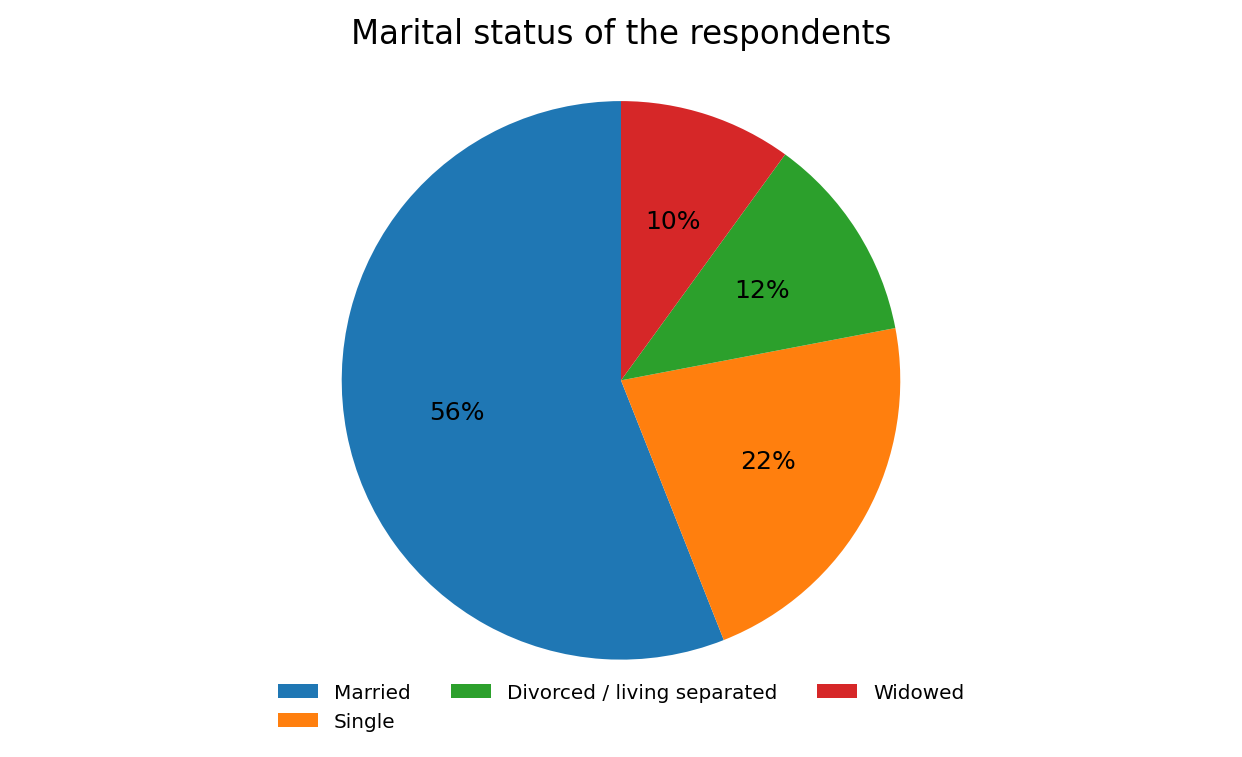
The distribution of respondents is broadly similar to the statistical distribution of marital status in Poland in 2024.
The legal situation of a person is defined on the basis of relevant civil status acts (Statistical Information Centre).
Population statistics for Poland are broadly similar to the representation in the survey (GUS – Departament Badań Demograficznych / Department of Demographic Research, 2024).
Information About Providing Care Services
Table 6: Number of caregivers, including childcare or disadvantaged child
| Category | Number | Percent |
|---|---|---|
| Child | 16 | 32% |
| Disadvantaged child | 31 | 62% |
| Other | 3 | 6% |
| Total | 50 | 100% |
Among respondents, 32% reported caring for a child, 62% for a disadvantaged child and 6% selected “Other”.
Disadvantaged children are those who face significant barriers to their well-being and development due to various factors such as poverty, lack of resources, and inadequate support systems.
Chart 6: Percentage information about caring for a child or disadvantaged child
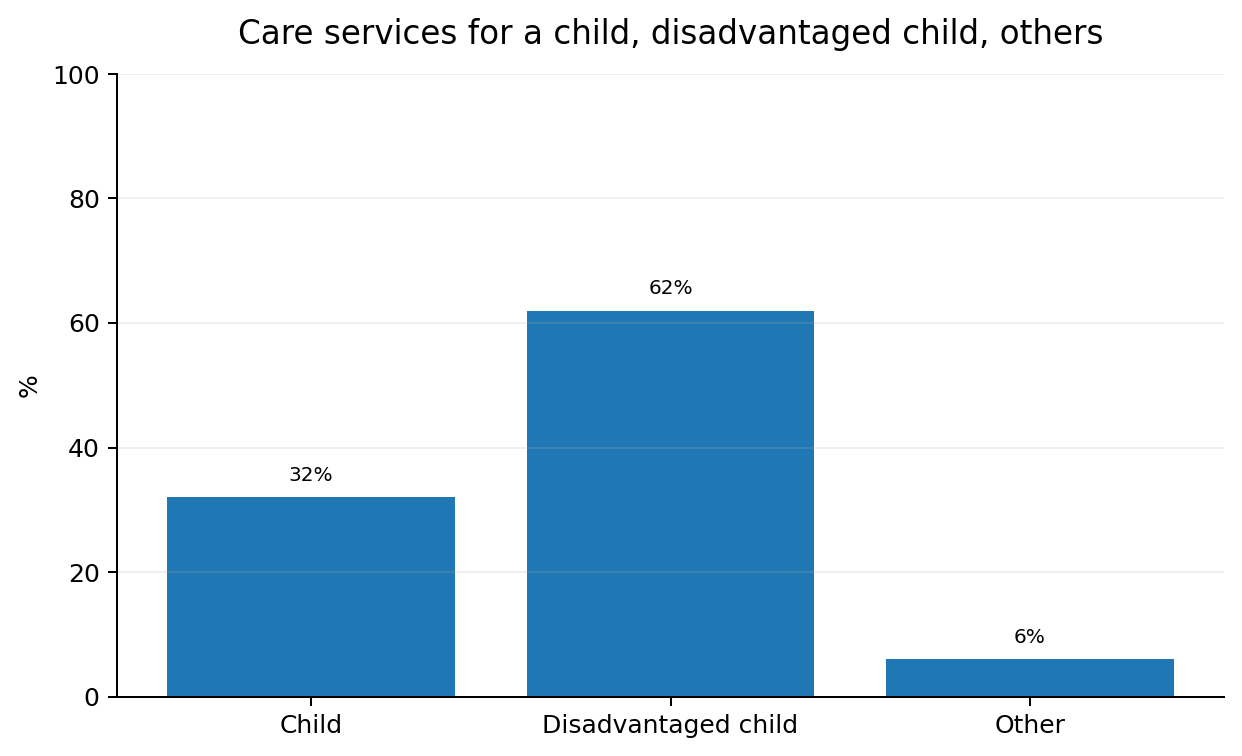
Table 7: Number of caregivers by age group of the child cared for
| Category | Number | Percent |
|---|---|---|
| 0-5 | 3 | 6% |
| 6-12 | 17 | 34% |
| 13-15 | 22 | 44% |
| 16+ | 8 | 16% |
| Total | 50 | 100% |
Every age group of children was represented in the survey. The largest group is made up of caregivers who care for children in the age range 6-12 (34%) and 13-15 (44%).
Beyond physical and cognitive support, caregivers provide emotional stability. A caregiver's loving and consistent presence fosters a sense of belonging and self-worth in the child. This emotional security empowers children to explore the world with confidence, knowing they have a secure base to return to.
Chart 7: Percentage information about age of the child
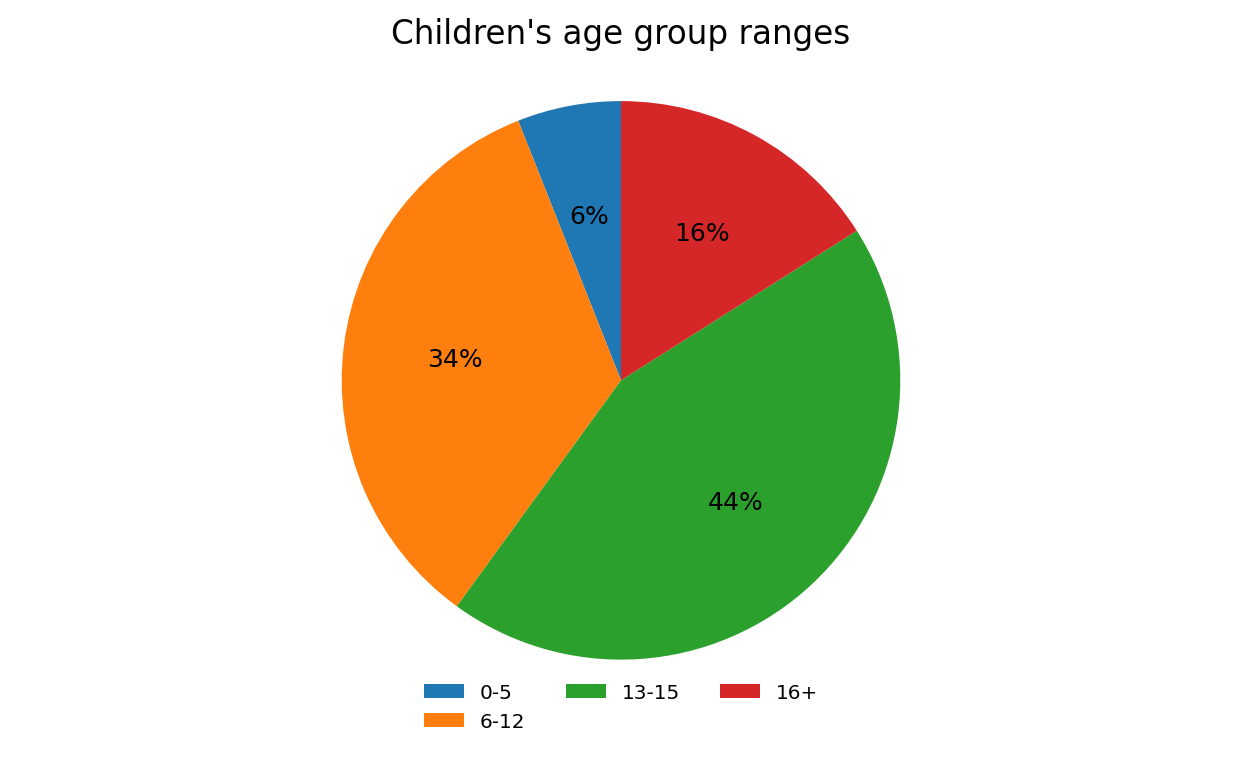
Table 8: Number of caregivers providing care in an institution
| Category | Number | Percent |
|---|---|---|
| Yes | 34 | 68% |
| No | 16 | 32% |
| Total | 50 | 100% |
How long have you been in this role (staff/parent/etc.)?
Survey responses varied from 1 to 16 years.
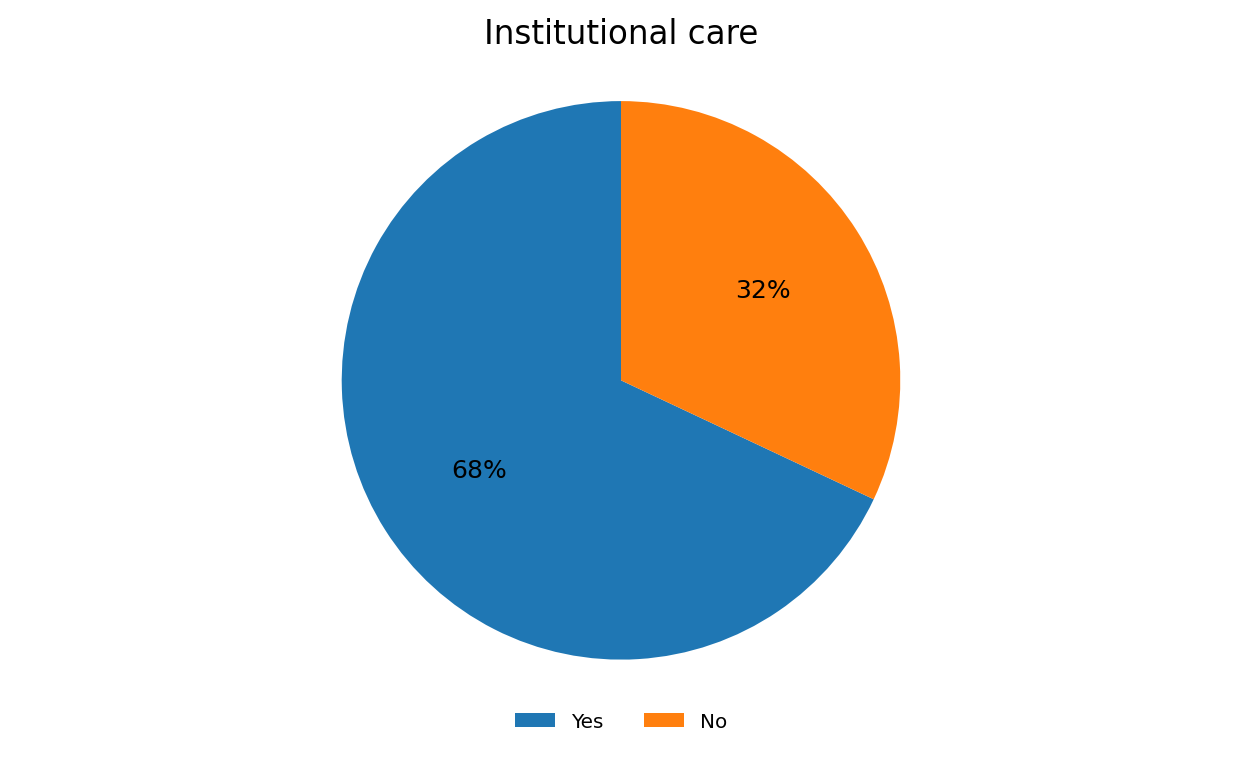
Chart 8: Percentage information about institutional care
Section 1: Self-Awareness and Self-Management
Self-Awareness and Self-Management
| Item | Strongly Disagree | Disagree | Neither agree nor disagree | Agree | Strongly agree |
|---|---|---|---|---|---|
| I do not have difficulty noticing my emotions. | 8 (16%) | 6 (12%) | 1 (2%) | 15 (30%) | 20 (40%) |
| I can identify the emotions that I feel during the day. | 4 (8%) | 9 (18%) | 2 (4%) | 21 (42%) | 14 (28%) |
| I can remain calm in challenging situations. | 7 (14%) | 10 (20%) | 6 (12%) | 12 (24%) | 15 (30%) |
| When I feel stressed, I find ways to manage it. | 2 (4%) | 12 (24%) | 5 (10%) | 14 (28%) | 17 (34%) |
| I accept my mistakes and try to improve myself. | 3 (6%) | 11 (22%) | 7 (14%) | 15 (30%) | 14 (28%) |
Self-awareness and self-management are crucial aspects of social-emotional learning (SEL), and are often considered foundational for personal and professional growth. Self-awareness involves understanding one's own emotions, thoughts, values, and how they impact behavior, while self-management focuses on regulating those emotions, thoughts, and behaviors to achieve goals and navigate situations effectively.
The analysis showed the following dependencies:
-
Most caregivers (70%) say they don't have difficulty noticing their emotions.
-
Most caregivers (70%) agree with the statement: I can identify the emotions I feel during the day.
-
34% of caregivers disagree: I can remain calm in challenging situations.
-
28% of caregivers disagree: When I feel stressed, I find ways to manage it.
-
58% of caregivers agree: I accept my mistakes and try to improve myself.
Caregivers who are self-aware and self-manage effectively are better situated to be lifelong learners, personally fulfilled, and a contributing citizen.
Section 2: Empathy and Social Awareness
Empathy and Social Awareness
| Item | Strongly Disagree | Disagree | Neither agree nor disagree | Agree | Strongly agree |
|---|---|---|---|---|---|
| I can easily understand others’ emotions. | 8 (16%) | 8 (16%) | 4 (8%) | 19 (38%) | 11 (22%) |
| I can notice someone is angry or sad from the way they act. | 6 (12%) | 10 (20%) | 2 (4%) | 17 (34%) | 15 (30%) |
| I try not to react without understanding other person’s emotions | 4 (8%) | 12 (24%) | 4 (8%) | 21 (42%) | 9 (18%) |
| I treat people from different ages and cultures with respect. | 3 (6%) | 9 (18%) | 2 (4%) | 9 (18%) | 27 (54%) |
| I believe I can understand children’s emotional needs. | 3 (6%) | 8 (16%) | 6 (12%) | 14 (28%) | 19 (38%) |
Empathy and social awareness are closely related and vital for effective social interactions. Social awareness is the ability to understand and respond to the social and emotional cues of others, while empathy is the capacity to understand and share the feelings of the children.
Essentially, social awareness provides the foundation for empathy by enabling caregivers to perceive and interpret social situations, and empathy allows them to connect with others on a deeper emotional level.
The analysis showed the following dependencies:
-
32% of caregivers strongly disagree and disagree with the statement: I can easily understand others’ emotions.
-
64% of caregivers strongly agree and agree: I can notice someone is angry or sad from the way they act.
-
60% caregivers strongly agree and agree: I try not to react without understanding other person’s emotions
-
72% of caregivers strongly agree and agree: I treat people from different ages and cultures with respect.
-
22% caregivers strongly disagree and disagree: I believe I can understand children’s emotional needs.
Section 3: Relationship Management and Communication
Relationship Management and Communication
| Item | Strongly Disagree | Disagree | Neither agree nor disagree | Agree | Strongly agree |
|---|---|---|---|---|---|
| I believe I can express my emotions appropriately. | 8 (16%) | 6 (12%) | 1 (2%) | 15 (30%) | 20 (40%) |
| During arguments, I make an effort to listen to other person. | 4 (8%) | 9 (18%) | 2 (4%) | 20 (40%) | 15 (30%) |
| I try to communicate constructively, even with difficult people. | 7 (14%) | 11 (22%) | 8 (16%) | 15 (30%) | 19 (38%) |
| I am not hesitant to ask for help. | 2 (4%) | 12 (24%) | 5 (10%) | 14 (28%) | 17 (34%) |
| If I feel emotionally supported, I communicate better. | 1 (2%) | 13 (26%) | 7 (14%) | 13 (26%) | 16 (32%) |
Relationship management and communication are intertwined concepts crucial for building and maintaining strong connections between caregivers and children.
Effective communication, including active listening and clear expression, is the foundation of successful relationship management. This involves understanding others' perspectives, building trust, and navigating conflicts constructively.
The analysis showed the following dependencies:
-
28% of caregivers strongly disagree and disagree with the statement: I believe I can express my emotions appropriately.
-
70% of caregivers agree and strongly agree: During arguments, I make an effort to listen to other person.
-
68% caregivers agree and strongly agree: I try to communicate constructively, even with difficult people.
-
28% caregivers strongly disagree and disagree: I am not hesitant to ask for help.
-
28% caregivers strongly disagree and disagree: If I feel emotionally supported, I communicate better.
Section 4: Understanding Challenges and Expectations
What is your biggest challenge in providing care services?
Psychological challenges
Survey respondents from Poland identified the following issues as the main psychological challenges in providing care services:
-
Preventing excessive stress in the child. — Toxic stress occurs when there is excessive or prolonged activation of stress response systems in the brain and body. Toxic stress can disrupt the healthy development of brain architecture and other bodily systems, increasing risk for stress-related disease well into adulthood. Supportive relationships with caring adults can help buffer a child's stress response, promoting resilience and healthy development.
-
Caregiver Burnout — Being a parent or caregiver can be stressful. Raising kids requires a lot of time and energy that goes into taking care of others emotionally and physically, in ways that naturally. Parents and caregivers are doing more overall in their days and experiencing higher rates of stress than ever before. As a result of increasing demands from both work and childcare, parents and caregivers are experiencing higher levels of strain than ever before.
-
Providing support for the child at every stage of life — Caregivers and parents were aiming to ensure their optimal health and development, adequate nutrition, and opportunities for early learning and responsive caregiving, as well as their security and safety.
-
Appropriate support for children with ADHD — ADHD, (from attention deficit hyperactivity disorder), attention deficit hyperactivity disorder, attention deficit hyperactivity disorder.
-
The ability to counteract emotions in a child, such as: — - aggression, - frustration - anger outbursts, irritability, - physical violence among peers.
-
Effectiveness of Life Skills Intervention on Depression, Anxiety among Children and Adolescents — Children and adolescents are at a significantly high risk of mental health problems during their lifetime, among which are depression and anxiety, which are the most common. Life skills education is one of the intervention programmes designed to improve mental well-being and strengthen their ability to cope with the daily stresses of life.
-
Strengthening the skills of establishing contact between the caregiver and child — Supporting opportunities for connection and help each child feel cared for to help build their skills and autonomy.
-
Helping children managing negative emotions — Children exist in an ocean of emotion – and riding the waves can feel both exciting and scary. Children are experiencing a broad range of emotions. Being able to identify their feelings is just the first step in helping your child manage their own emotions.
-
The pressure of responsibility for the child — The pressure of responsibility for a child can manifest as significant stress and anxiety for caregivers parents, potentially leading to feelings of overwhelm and inadequacy. This pressure can stem from societal expectations, personal anxieties, and the child's individual needs and challenges. While responsibility is crucial for healthy child development, it's essential to find a balance that avoids overburdening parents and caregivers and allows them to meet their own needs while fostering a supportive environment for their child.
-
Preventing apathy in children and adolescents — Apathy is linked to mental health and altered neurocognitive functions such as learning and decision-making. Apathy in children can be noticed when there is a lack of interest, enthusiasm, emotion or motivation towards day-to-day activities that would normally be engaging or enjoyable.
-
Helping children Who Are Lonely — Loneliness is defined as: ‘a subjective, unwelcome feeling of lack or loss of companionship. It happens when there is a mismatch between the quantity and quality of the social relationships that children have, and those that you want’. Sometimes children can feel lonely even if they’re often with other people. They might be feeling this way if they don’t feel properly seen or understood.
Social challenges
According to survey respondents from Poland, the following biggest social challenges in providing care services include:
-
Social exclusion in children — Social exclusion in children refers to situations where a child is excluded from activities, social interactions, or opportunities that are typical for their age group. This can manifest in various forms, including peer rejection, lack of access to resources, and feelings of isolation. Social exclusion can significantly impact a child's well-being, leading to emotional distress, reduced self-esteem, and even mental health issues later in life.
-
Problems with functioning in a peer group — Peer interactions and executive function play central roles in the development of healthy children, as peer problems have been indicative of lower cognitive competencies such as self-regulatory behavior and poor executive function has been indicative of problem behaviors and social dysfunction. Lack of peer relationships, Lack of skills and willingness to cooperate in a group.
-
Lying and Truth-Telling in Children — Lying is a common social phenomenon. For children, there are two types of lies that are of great importance during their socialization. One type is the lies that violate moral rules as they are typically told to benefit oneself at the expense of others. Due to the anti-social nature of this type of lie, it is universally discouraged by children's caregivers and teachers from a very early age. The other type of lies are lies that are told with an intention to help, not harm, another individual and are thus prosocial in nature.
-
The problem with the ban on using bad words and vulgarisms — Banning bad words and vulgarisms presents several problems, including potential limitations on free speech, difficulty in defining and enforcing such bans, and the possibility of stifling emotional expression and even linguistic creativity.
-
Problem with instilling respect for oneself and others, tolerance — Instilling respect for oneself and others, as well as tolerance, is a complex process with potential challenges. One major hurdle is the inherent difficulty in fostering empathy and understanding, particularly when dealing with differing viewpoints or values. Additionally, some child might struggle with self-respect, making it harder to extend that respect to others. Social and cultural factors, like exposure to intolerance or lack of positive role models, can also hinder the development of these crucial social skills.
-
Lack of awareness of social roles in the child — A child's lack of awareness of social roles can manifest as difficulties in understanding and navigating social situations, potentially leading to social isolation, behavioral issues, and challenges in forming relationships. This can stem from various factors, including developmental delays, learning differences, or a lack of appropriate social modeling and guidance
-
Stigmatization in children — Stigmatization in children refers to the negative attitudes, beliefs, and behaviors directed towards children based on certain characteristics, such as a mental health condition, physical disability, or other perceived differences. This can lead to social isolation, discrimination, and negative impacts on a child's self-esteem and overall well-being.
-
Hate on social media — Online hate speech, a form of hateful or offensive language directed at specific groups, is a growing problem on social media. It can manifest as direct attacks, harassment, or the spread of misinformation and conspiracy theories that fuel discriminatory attitudes and behaviors. This can lead to real-world consequences, including hate crimes and violence.
-
Negative Effects of Social Media on Children and Teens — Social media has potential to harm the mental health of children and adolescents. Frequent social media use could be associated with changes in parts of the brain related to emotions and learning. Additionally, it can affect impulse control, social behavior, emotional regulation and sensitivity to social punishments and rewards.
-
Dealing with emotions in a children's group — In a children's group, effectively handling emotions involves creating a safe space for expression, teaching emotional literacy, and modeling healthy coping strategies. This includes acknowledging children's feelings, validating their experiences, and providing tools for emotional regulation.
Health challenges
The biggest health challenges to respondents from Poland include:
-
Sleep disorder in children — Many of children will experience a sleep problem. Early identification of sleep problems may prevent negative consequences, such as daytime sleepiness, irritability, behavioral problems, learning difficulties, motor vehicle crashes in teenagers, and poor academic performance. Common sleep disorders in children include sleep apnea and insomnia, as well as parasomnias, which are disruptive sleep-related behaviors such as sleepwalking and night terrors.
-
Nutritional difficulties in children — Nutritional difficulties can manifest as deficiencies or imbalances in essential nutrients, leading to various physical and developmental problems. Recognizing the signs and causes of these difficulties is crucial for early intervention and promoting optimal child health. Symptoms of poor diet can include: - being underweight, overweight or obese, - being pale or lethargic, - tooth decay, - poor physical growth. In some children, poor diet may be associated with: - behavioural problems - sleep issues - problems with emotional and psychological development poor concentration.
-
Food aversions in children — A food aversion is when a child consistently refuses to eat specific foods, typically having an impact on the variety of nutrients in their diet. One of the most common causes for food aversion is sensory sensitivities to textures. When a child has a sensory food aversion they will often gag or even vomit at the sight, touch, smell, or taste of certain foods. Kids with Sensory Processing Disorder (SPD) are also known to have difficulties processing sensory information, and they are more likely to have sensory food aversion.
-
Limit fast food in children — Risk of Childhood Obesity — Junk food contributes significantly to childhood obesity. These high-calorie, nutrient-poor foods lead to overeating and weight gain. Lower Academic Performance — Nutrition is key to brain development. Diets high in processed food can actually impair cognitive function, memory and academic performance. Long-Term Health Risks — Early habits of eating junk food too regularly can lead to lifelong struggles with making healthy nutritious choices. Poor Mental Health — Children who eat a lot of junk food can experience effects on their moods and energy levels. High sugar and fat in junk food can cause mood swings, anxiety, depression, and even aggression. A healthy, balanced diet is important for helping children maintain mental health and emotional well-being.
-
Support in developing good eating habits in children — Developing good eating habits in children involves creating a positive and supportive environment that encourages healthy food choices. This includes modeling healthy eating behaviors, establishing regular mealtimes, offering a variety of foods, and involving children in meal planning and preparation.
-
A lack of dental treatment — A lack of dental treatment in children can lead to numerous negative consequences, including pain, infection, and tooth loss, as well as systemic health issues and even developmental problems. Dental neglect, defined as the persistent failure to address a child's basic oral health needs, can significantly impact their well-being.
-
Lack of bodily cleanliness — Poor hygiene in children can lead to various health and social problems. Socially, children with poor hygiene may face bullying, low self-esteem, and social rejection. Establishing good hygiene habits early is crucial for both physical and mental well-being.
-
Difficulty in ensuring that the child has enough outdoor exercise — Outdoor play is essential for healthy bodies and brains, but children aren’t getting enough play time outside. Urbanization, screen time and “helicopter parenting” are a few factors contributing to the phenomenon. Helicopter parenting describes an over-involved and overprotective parenting style where parents closely monitor and manage their child's life, often to an excessive degree.
Other challenges
Respondents from Poland showed other challenges
-
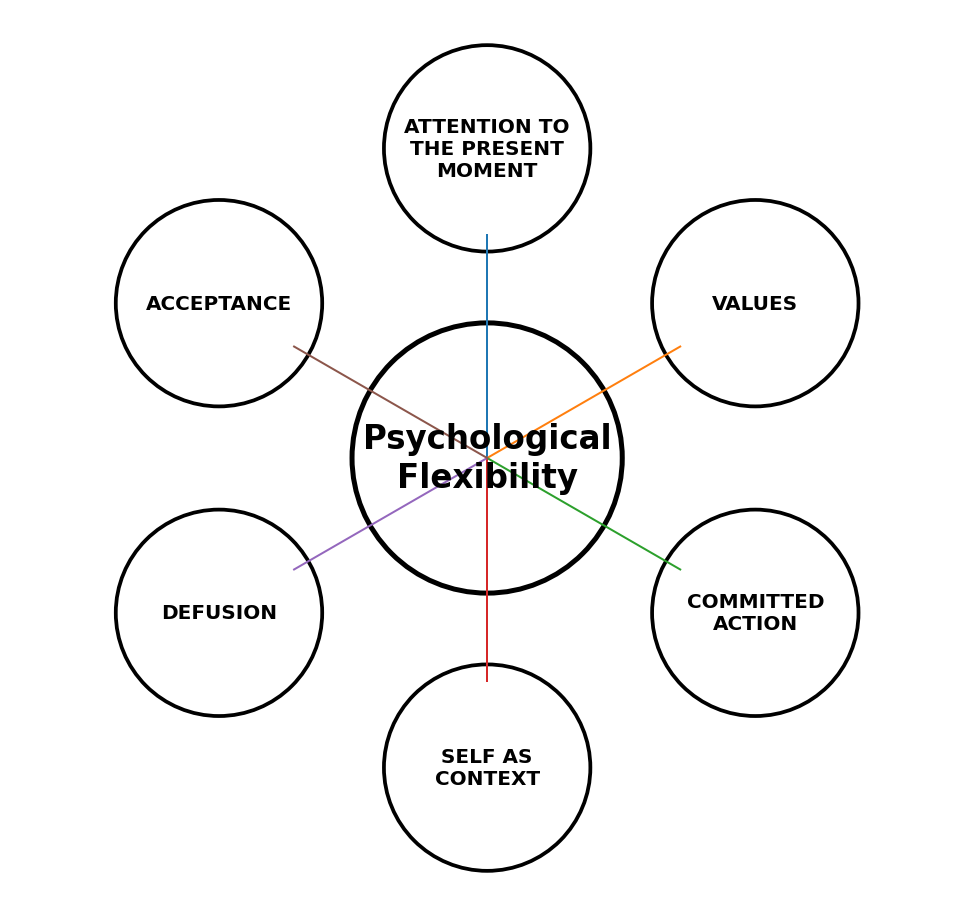
Strengthening psychological flexibility in caregivers and parents — Psychological Flexibility (PF) in caregivers and parents refers to the ability to remain open to and aware of thoughts and emotions, including difficult ones, while engaging in actions that align with their values. Developing the Role of Parental and Caregivers Psychological Flexibility, Mindfulness, and Self-Compassion. Psychological flexibility (PF) is associated with positive aspects of parenting children. Psychological flexibility refers to the ability to be present in the moment, accept difficult thoughts and feelings without judgment, and take actions aligned with one's values. It involves being open to inner experiences and choosing behaviors that are meaningful, even when facing challenges or discomfort.
A model encompassing six key processes that support its development
Strategies used to cope with challenges
What strategies are you currently using to cope with these challenges?
-
Self-management — To able to control impulsive feelings and behaviors, manage your emotions in healthy ways, take initiative, follow through on commitments, and adapt to changing circumstances.
-
Self-awareness — To recognize your own emotions and how they affect your thoughts and behavior - strengths and weaknesses, and have self-confidence.
-
Social awareness — The ability to understand and respond appropriately to social situations and the emotions of others, including those from diverse backgrounds. It's a key component of social and emotional learning (SEL), requiring individuals to recognize and respect social and ethical norms, understand social cues, and empathize with children's perspectives.
-
Developing empathy in children — Developing empathy in children involves fostering their ability to understand and share the feelings of others. This is a crucial social and emotional skill that can be nurtured through various strategies, including modeling empathetic behavior, encouraging emotional awareness, and engaging in activities that promote perspective-taking. To understand the emotions, needs, and concerns of children, pick up on emotional cues, feel comfortable socially, and recognize the power dynamics in a group.
-
Relationship management — To know how to develop and maintain good relationships with children, communicate clearly, inspire and influence others, work well in a team, and manage conflict.
-
Manage stress — Creating a supportive and predictable environment, teaching them coping mechanisms, and modeling healthy stress management themselves.
-
Prevention to anxiety and depression — To prevent anxiety and depression caregivers can focus on strengthening relationships, fostering healthy habits, and promoting open communication about mental health.
-
Manage Anger and Frustration as a caregivers — The way we teach children emotional regulation skills is through us. It’s through how we handle big, intense emotions, and how we show up for the moment.
Table 9: Number of caregivers who consider the program necessary
| Category | Number | Percent |
|---|---|---|
| Yes | 50 | 100% |
| No | 0 | 0% |
| Total Participants | 50 | 100% |
The survey analysis identified a strong need for emotional intelligence training among caregivers to support nurturing and supportive environments.
All questionnaire respondents agreed that a programme supporting empathy and emotional intelligence is needed. Programmes designed to foster empathy and emotional intelligence typically focus on self-awareness, emotional regulation and social skills. The programme should be tailored to caregivers.
The training programme can integrate social and emotional learning (SEL).
Social and emotional learning (SEL) is an integral part of education and human development.
Social and emotional learning (SEL) as an integral part of education and human development. SEL is the process through which all young people and adults acquire and apply the knowledge, skills, and attitudes to develop healthy identities, manage emotions and achieve personal and collective goals, feel and show empathy for others, establish and maintain supportive relationships, and make responsible and caring decisions.
Survey respondents indicated that comprehensive training is needed that empowers caregivers with enhanced emotional intelligence skills.
Prosocial behaviors, which include socially desirable behaviors such as sharing, helping, and cooperation, are the result of upbringing, during which parents/caregivers can and should reinforce such behaviors in children through imitation and modeling. Based on research in Poland, we can conclude that an increase in prosocial behavior in society reduces the level of aggressive behavior.
The training aims to support the emotional growth of children, particularly those in institutional care settings, by equipping their caregivers with the necessary tools to foster a nurturing and emotionally supportive environment.
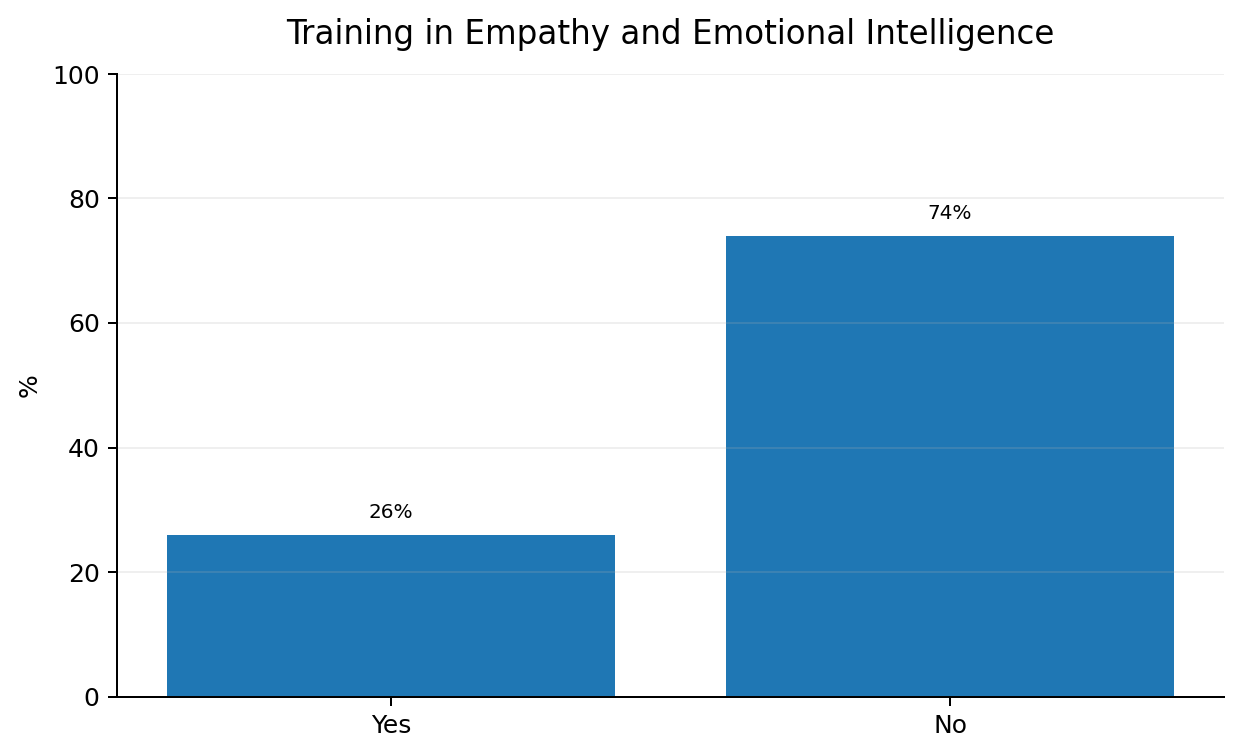
Table 10: Did you have any training in empathy and emotional intelligence?
| Category | Number | Percent |
|---|---|---|
| Yes | 13 | 26% |
| No | 37 | 74% |
| Total Participants | 50 | 100% |
Training in empathy and emotional intelligence involves developing the skills to understand and share the feelings of others, as well as managing one's own emotions effectively.
Translating the above results into percentage, the whole group consists of 26% (Yes) and 74% (No).
Chart 9: Percentage training in Empathy
Expected Comprehensive training topic
Which of these training programs would you be interested in?
-
Self-confidence - awareness and knowledge of one's own emotions
-
Self-equipment - managing one's own emotions
-
Self-motivation - the ability to motivate oneself
-
Empathy - the ability to empathize with the situation or another person's emotional state
-
Engagement - or the art of interpersonal relationships
Other:
-
Psychological Flexibility - the ability to be aware of the present moment, think openly, and take actions consistent with personal values.
-
Helping behavior or, in general, altruism - combined with the ability to empathize with others.
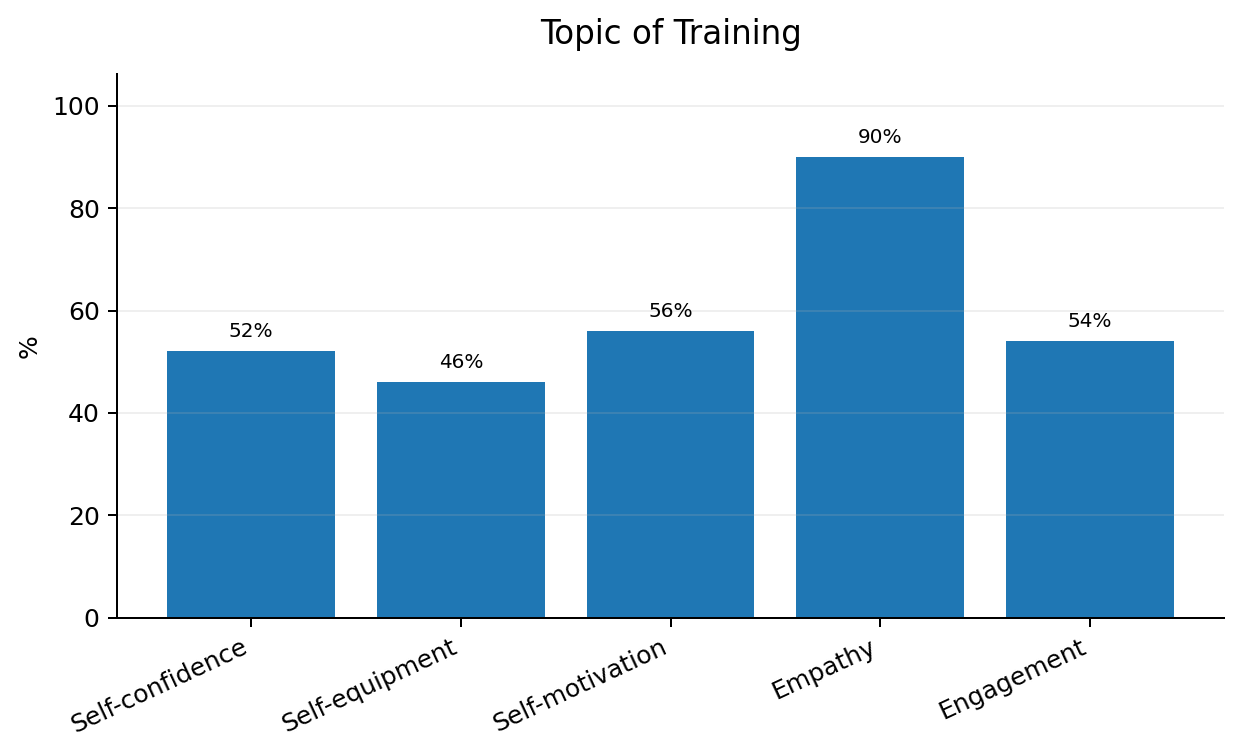
Survey respondents indicated interest in the following topics:
Training topics selected by respondents
| Category | Number | Percent |
|---|---|---|
| Self-confidence | 26 | 52% |
| Self-equipment | 23 | 46% |
| Self-motivation | 28 | 56% |
| Empathy | 45 | 90% |
| Engagement | 27 | 54% |
Chart 10: Percentage respondents' expectations regarding the topic of training
Expectations for a training program
What are your expectations for a training program?
-
A successful empathy training program should equip participants with practical skills and a deeper understanding of empathy's importance in various contexts, including interpersonal relationships and professional settings.
-
Participants should be able to define empathy, understand its different facets, and apply it through active listening, perspective-taking, and emotional regulation.
-
The program should also foster a supportive environment for practicing empathy and provide opportunities for feedback and reflection.
An emotional intelligence training program should equip individuals with the skills to understand, manage, and utilize their emotions and the emotions of others effectively.
Survey respondents in Poland expect additional topics:
-
Psychological Flexibility — refers to an caregiver's ability to cope with, accept, and adjust to difficult situations. Key elements of flexibility include: Being present: In order to be flexible, people need to be aware of what is happening in the world around them in the present moment. Openness: Flexibility also requires people to be open to new experiences and perspectives. Acceptance: In order to stay psychologically flexible, people need to be willing to tolerate a range of emotions, even those that are not easy.
-
Altruism — Helping behavior or, in general, altruism - combined with the ability to empathize with others. Altruism in caregiving refers to providing care and support to children and teenagers, particularly those in need, without expecting anything in return. Altruism can positively impact both the caregiver and the children, fostering resilience, well-being, and a sense of purpose.
-
Prosocial behaviors — Stimulating prosocial behaviors, which include socially desirable behaviors such as sharing, helping, and cooperation. Prosocial behaviors are actions that benefit others and promote positive social interactions. Prosocial behaviors a social behavior that benefits other people or society as a whole. These behaviors encompass a wide range of actions, including helping, sharing, cooperating, and comforting, and they are often motivated by empathy, altruism, or a desire to contribute to the well-being of others.
Section 5: Awareness on Emotional Intelligence Development in Children
Questions and reported responses
| Question | Reported response |
|---|---|
| What are the consequences of unmet emotional need in childhood? | Unmet emotional needs in childhood can lead to a range of negative consequences that can affect individuals throughout their lives. These can include difficulties with forming healthy relationships, low self-esteem, emotional dysregulation, and mental health issues like anxiety and depression. Additionally, children may develop unhealthy coping mechanisms and experience physical health problems. |
| How does an emotionally neglected child behave? How can you tell that such deficits are present? | Emotionally neglected children may exhibit a range of behaviors, including being overly affectionate with strangers, exhibiting anxiety or wariness, struggling to form close bonds with caregivers, and displaying aggression or cruelty towards others. They may also experience emotional issues like low self-esteem, depression, anxiety, as well as physical complaints. |
| How do you think we can help children to recognize and express their emotions? | Understanding and managing emotions is important for development and wellbeing in children and teenagers. Recognizing and naming emotions helps children understand emotions. This lays the groundwork for managing emotions. Children and teenagers sometimes need help with their emotional skills. |
| How do you think one should approach a child when they are experiencing strong emotions such as anger, fear or sadness? | The generally helpful to approach a child experiencing strong emotions like anger, fear, or sadness. Children often need help with calming down from strong emotions. When children need help to calm down, notice the emotion, name it, and pause. Address children’s behavior or problem-solve after they’ve calmed down. Learning to calm down is an important part of learning to understand and manage emotions. The approach should be calm, supportive, and focused on validating their feelings rather than trying to immediately fix the problem or redirect their behavior. |
List of Tables and Charts
Tables
-
Table 1: The table below shows the participation in the Survey by men and women.
-
Table 2: Age of the respondents
-
Table 3: Information on the level of education of caregivers
- Table 4: Information about income level
-
Table 5: Information about Marital Status of the Participants
-
Table 6: Number of caregivers, including childcare or disadvantaged child
- Table 7: Number of caregivers by age group of the child cared for
- Table 8: Number of caregivers providing care in an institution
-
Table 9: Number of caregivers who consider the program necessary
-
Table 10: Did you have any training in empathy and emotional intelligence?
Charts
-
Gender Identity
-
Participants' age groups
-
Education
-
Income Level
-
Marital status of the respondents
-
Care services for a child, disadvantaged child, others
-
Children's age group ranges
-
Institutional care
-
Training in Empathy and Emotional Intelligence
-
Topic of Training
TÜRKİYE
Introduction
This report presents the results of a survey carried out to explore aspects of emotional intelligence. The questionnaire consisted of 15 items grouped into three subfactors. The study aims to provide insights into the emotional intelligence levels of the participants and to identify potential areas for development. The information and data will be used to develop an education program in order to boost the emotional intelligence levels of the participants.
Objectives of Questionnaire
-
To collect data on emotional intelligence among the selected sample.
-
To analyze the distribution of responses across different demographic groups.
-
To identify the strengths and weaknesses of participants in subfactors such as self-awareness, empathy, and relationship management.
-
To support the design of possible training, education or intervention programs.
Survey Analysis was prepared by - Arif Çağdaş Dağdeviren, Havva Şensoy, Elif Ataç, Ömer Doğan
The Analysis of Results
The analysis is based on the questionnaire administered to caregivers in Kırıkkale, Türkiye. The sample consists of 50 female caregivers with varying levels of education, ages and experience.
The data collected from the questionnaire were coded and analyzed with SPSS. Frequencies and percentages were calculated for both demographic variables and individual items. The results are presented in tables and charts for clarity.
Application of the survey
The survey was conducted in Turkey from June 2025 to July 2025. The respondents of the questionnaire were caregivers, mostly in institutional care facilities. The participants completed the survey on paper. Results were transferred to SPSS for further analysis. In this report, the results are presented both numerically and graphically. The questionnaire model includes potential topics and questions that can be adapted to different populations and communities. The survey process provided a clearer understanding of the specific needs of the respondents regarding emotional intelligence development. The questions were originally prepared in Turkish under the title Duygusal Zeka Odaklı İhtiyaç Analizi Anketi.
Socio-Demographic Information
1-Education Level
Table 1: The table below shows the distribution of respondents according to their level of education
| Category | Number | Percent |
|---|---|---|
| Primary School | 1 | 2% |
| Middle School | 1 | 2% |
| High School | 21 | 42% |
| University | 26 | 52% |
| Master’s Degree + | 1 | 2% |
| Total Participants | 50 | 100% |
The results indicate that the majority of participants had a university degree (52%), followed by high school graduates (42%). Only a very small proportion reported primary (2%) or middle school (2%) education, and 2% held a Master’s degree or higher. This demonstrates that the sample is relatively well-educated, with over 90% completing at least secondary education. All 50 participants are represented in the table and the percentages total 100%.
2-Gender
Table 2: The table below shows the gender distribution of the respondents
| Category | Number | Percent |
|---|---|---|
| Female | 50 | 100% |
| Male | 0 | 0% |
| Total Participants | 50 | 100% |
All participants in the study identified as female (100%). This uniformity may reflect the caregiving role being predominantly carried out by women in this community.
3-Age
Table 3: The table below shows the age distribution of the respondents.
| Category | Number | Percent |
|---|---|---|
| 18-25 | 5 | 10% |
| 26-35 | 11 | 22% |
| 36-45 | 23 | 46% |
| 45-60 | 9 | 18% |
| Missing | 2 | 4% |
| Total Participants | 50 | 100% |
The largest group of participants were aged 36–45 years (46%), followed by 26–35 years (22%) and 45–60 years (18%). Younger caregivers, aged 18–25, represented 10%, while 4% of responses were missing. This suggests that the majority of respondents are middle-aged women, who are likely to have significant life and caregiving experience.
4-Marital Status
Table 4: The table below shows the marital status of the respondents.
| Category | Number | Percent |
|---|---|---|
| Single | 33 | 66% |
| Married | 4 | 8% |
| Divorced | 10 | 20% |
| Widowed | 1 | 2% |
| Missing | 2 | 4% |
| Total Participants | 50 | 100% |
Most respondents reported being single (66%), while smaller groups reported being divorced (20%), married (8%), or widowed (2%). This distribution highlights that many caregivers in the sample are not currently in a marital relationship, which may have implications for their support networks and caregiving responsibilities. A few missing responses were noted in this variable, although the overall pattern remained clear.
5-Income Level
Table 5: The table below shows the income level of the respondents
| Category | Number | Percent |
|---|---|---|
| Low | 14 | 28% |
| Middle | 30 | 60% |
| High | 3 | 6% |
| Missing | 3 | 6% |
| Total Participants | 50 | 100% |
The majority reported a middle income (60%), while 28% indicated low income and 6% reported high income. This pattern suggests that most participants are in a moderate financial situation, but a notable proportion belong to a lower-income group, which may influence their access to resources and training opportunities. Three responses were missing (6%); the percentages shown are based on the full sample of 50 participants.
Information About Providing Care Services
6-Information About Providing Care Services?
Table 6: The table below shows the type of person that the respondents provide care for.
| Category | Number | Percent |
|---|---|---|
| Child | 0 | 0% |
| Disadvantaged Child | 50 | 100% |
| Total Participants | 50 | 100% |
All respondents (100%) indicated that they provide care for disadvantaged children. This confirms that the sample is entirely composed of caregivers supporting disadvantaged children. All participants answered this question; therefore, no missing values were recorded.
7-Children in Institutional Care
Table 7:The table below shows whether the children under the respondents’ care are placed in institutional care.
| Category | Number | Percent |
|---|---|---|
| Yes | 50 | 100% |
| No | 0 | 0% |
| Missing | 0 | 0% |
| Total Participants | 50 | 100% |
All respondents (100%) reported that the children under their care were in institutional care. This indicates that all caregivers in the sample are linked to formal care systems. No responses were missing.
8-Age of the child being cared for
Table 8: The table below shows the age groups of the children under the respondents’ care
| Category | Number | Percent |
|---|---|---|
| 0-5 | 11 | 22% |
| 6-12 | 15 | 30% |
| 13-16 | 20 | 40% |
| 17+ | 4 | 8% |
| Total Participants | 50 | 100% |
The majority of children were in the 13–16 age group (40%), followed by 6–12 years (30%). Younger children aged 0–5 years accounted for 22%, while those aged 17+ represented 8%. This distribution highlights that most caregiving responsibilities in this sample are directed towards children in middle childhood and early adolescence.
9-How long have you been in this role?
Table 9: The table below shows the length of time the respondents have been in their caregiving role.
| Category | Number | Percent |
|---|---|---|
| 1-5 | 12 | 24% |
| 6-10 | 8 | 16% |
| 11+ | 23 | 46% |
| Missing | 7 | 14% |
| Total Participants | 50 | 100% |
Almost half of the respondents (46%) reported being in this role for 11 years or more, which points to a highly experienced group of caregivers. About 24% had 1–5 years of experience, and 16% had between 6–10 years. This indicates that while there is a smaller proportion of relatively new caregivers, the sample is dominated by individuals with long-term caregiving experience. Seven responses were missing (14%); the percentages shown are based on the full sample of 50 participants.
Subfactor Analysis
1-Self-Awareness and Self-Management
Table 10: The table below shows the distribution of responses regarding Self Awareness and Self-Management
| Item | Strongly Disagree | Disagree | Neither agree nor disagree | Agree | Strongly agree |
|---|---|---|---|---|---|
| I do not have difficulty noticing my emotions. | 2 (4%) | 1 (2%) | 1 (2%) | 37 (74%) | 9 (18%) |
| I can identify the emotions that I feel during the day. | 1 (2%) | 2 (4%) | 0 (0%) | 35 (70%) | 12 (24%) |
| I can remain calm in challenging situations. | 0 (0%) | 0 (0%) | 7 (14%) | 29 (58%) | 14 (28%) |
| When I feel stressed, I find ways to manage it. | 1 (2%) | 0 (0%) | 2 (4%) | 32 (64%) | 15 (30%) |
| I accept my mistakes and try to improve myself. | 1 (2%) | 0 (0%) | 0 (0%) | 36 (72%) | 13 (26%) |
This subfactor assesses how well participants recognize their emotions, stay calm during tough situations, manage stress, and learn from their mistakes. The overall results show a strong tendency toward positive self-assessment. Most respondents consistently chose “agree” or “strongly agree,” indicating they see themselves as able to notice emotions, control reactions, and work on self-improvement. Only a small number expressed disagreement on these items, which suggests high emotional stability and maturity in this group.
1-I do not have difficulty noticing my emotions.
Over 90% agreed, with only a few expressing disagreement.
2-I can identify the emotions that I feel during the day.
Almost all participants reported agreement, showing strong emotional awareness.
3-I can remain calm in challenging situations.
The majority endorsed calmness, while some chose a neutral response.
4-When I feel stressed, I find ways to manage it.
Most respondents agreed, with very few disagreeing.
5-I accept my mistakes and try to improve myself.
Nearly all participants agreed, suggesting openness to growth.
In summary, the responses highlight a group with generally strong skills in self-awareness and emotional self-management. High agreement rates across all items reflect confidence in handling emotions and adapting constructively when faced with challenges.
2-Empathy and Social Awareness
Table 11: The table below shows the distribution of responses regarding Empathy and Social Awareness
| Item | Strongly Disagree | Disagree | Neither agree nor disagree | Agree | Strongly agree |
|---|---|---|---|---|---|
| I can easily understand others’ emotions. | 0 (0%) | 1 (2%) | 2 (4%) | 31 (62%) | 16 (32%) |
| I can notice someone is angry or Sad from the way they act | 0 (0%) | 0 (0%) | 0 (0%) | 29 (58%) | 21 (42%) |
| I try not to react without understanding other people’s emotions | 8 (16%) | 1 (2%) | 3 (6%) | 28 (56%) | 10 (20%) |
| I treat people from different ages and cultures with respect. | 0 (0%) | 0 (0%) | 0 (0%) | 31 (62%) | 19 (38%) |
| I believe I understand children’s emotional needs | 0 (0%) | 0 (0%) | 1 (2%) | 24 (48%) | 25 (50%) |
This subfactor evaluates how respondents perceive their ability to recognize and understand others’ emotions, respond thoughtfully, respect diversity, and identify children’s emotional needs. The results are strongly positive, with a very high proportion of participants choosing “agree” or “strongly agree.” This suggests that the group generally values empathy and demonstrates social sensitivity. Only in one item (“I try not to react without understanding other people’s emotions”) was there a notable share of disagreement, which indicates that emotional impulse control may still be a challenge for some respondents.
6-I can easily understand others’ emotions.
Most respondents agreed, with only 6% showing hesitation.
7-I can notice someone is angry or sad from the way they act.
All participants endorsed this item positively.
8-I try not to react without understanding other people’s emotions.
While the majority agreed, about 24% disagreed or remained neutral.
9-I treat people from different ages and cultures with respect.
Every respondent agreed or strongly agreed.
10-I believe I can understand children’s emotional needs.
Nearly all participants reported agreement, with half strongly agreeing.
In summary, the responses indicate a group with well-developed empathic skills and strong respect for others. The only item with some variation was related to reacting without full understanding, pointing to an area where training in patience and emotional regulation could be beneficial.
3-Relationship Management and Communication
Table 12: The table below shows the distribution of responses regarding Relationship Management and Communication
| Item | Strongly Disagree | Disagree | Neither agree nor disagree | Agree | Strongly agree |
|---|---|---|---|---|---|
| I believe I can express my emotions appropriately. | 1 (2%) | 0 (0%) | 2 (4%) | 23 (46%) | 24 (48%) |
| During arguments, I make an effort to listen to the other person. | 0 (0%) | 0 (0%) | 2 (4%) | 27 (54%) | 21 (42%) |
| I try to communicate constructively, even with difficult people | 0 (0%) | 0 (0%) | 5 (10%) | 31 (62%) | 14 (28%) |
| I am not hesitant to ask for help. | 0 (0%) | 2 (4%) | 6 (12%) | 28 (56%) | 14 (28%) |
| If I feel emotionally supported, I communicate better. | 0 (0%) | 0 (0%) | 1 (2%) | 19 (38%) | 30 (60%) |
This subfactor reflects how participants evaluate their ability to express emotions, listen during conflicts, maintain constructive communication, seek support when needed, and improve communication when emotionally supported. Overall, the results are very positive, with the majority of responses clustered in the “agree” and “strongly agree” categories. This indicates that participants perceive themselves as competent communicators who value listening, constructive dialogue, and supportive relationships. A small number of neutral or disagreeing answers were observed, particularly regarding asking for help, suggesting that some individuals may feel less comfortable seeking assistance.
11-I believe I can express my emotions appropriately.
Most respondents agreed or strongly agreed, with minimal disagreement.
12-During arguments, I make an effort to listen to the other person.
Almost all participants endorsed this statement positively.
13-I try to communicate constructively, even with difficult people.
The majority agreed, though a small portion remained neutral.
14-I am not hesitant to ask for help.
While most agreed, about 16% showed neutrality or slight disagreement.
15-If I feel emotionally supported, I communicate better.
Nearly all participants endorsed this item, with 60% strongly agreeing.
In summary, the findings suggest that respondents generally demonstrate effective communication and relationship management skills. The willingness to listen, express emotions, and maintain constructive dialogue appears strong, while asking for help remains an area with some hesitation for a minority of participants.
Source Documents
-
Analysis Survay Poland.docx
-
Turkish Survey Analyzes.docx